What Is a Printable Craft Template and Who Uses One
A printable craft template is a pre-drawn outline or guide that you print on paper or cardstock and then cut, fold, or assemble into a finished craft object. Instead of measuring and drawing the shape yourself, you simply print the template at the right size, cut along the lines, and follow the assembly instructions.
Printable craft templates cover a wide range of projects, from folded paper crafts like paper airplanes and cootie catchers to decorative cut-outs like papel picado banners and shaped chip bags for party favors. The category also includes wearable crafts like superhero masks, structural crafts like 3D paper boxes and jars, and math-linked puzzles like puzzle piece templates.
- Teachers planning classroom activities for art, science, history, or holiday themes
- Parents setting up birthday party activities, party favor bags, or school holiday crafts
- Kids and teens doing independent paper crafts at home during school breaks
- Scout leaders and youth group organizers planning hands-on badge or activity projects
- Event planners creating DIY decorations like papel picado banners or shaped gift bags
- Homeschool families incorporating crafts into unit studies on topics like flight, geometry, or cultural traditions
- Library and community center staff running craft programming for children
What to Include When Setting Up a Printable Craft Template
Whether you are printing a single template for one child or setting up a whole class craft kit, a well-prepared printable template includes more than just the outline shape. These elements make a craft session go smoothly.
- Clean cut lines and fold lines: Cut lines should be solid; fold lines should be dashed or dotted so the person assembling the craft can tell the difference at a glance
- Correct scale markings: Note the intended print size on the template itself (for example, 'Print at 100 percent, no scaling') so the finished piece comes out the right size
- Paper weight recommendation: Standard 20-lb copy paper works for flat crafts; heavier cardstock (65-lb or higher) is better for 3D structures, wearables like masks, and anything that needs to hold its shape
- Material list: Tape, glue, scissors, stapler, string, markers, or any other supplies the craft requires, listed clearly before the assembly steps
- Step-by-step assembly instructions: Numbered steps with short descriptions keep the process clear for all ages. Photos or diagrams help for complex folds
- Decoration space: Leave blank areas on the template for coloring, stamping, or personalizing so the finished craft feels unique
How to Use a Printable Craft Template
Using a printable craft template is straightforward, but a few preparation steps prevent common mistakes like printing at the wrong size or cutting off important fold lines.
- Download or open the template and print at 100 percent scale with no page scaling enabled in your printer settings. Scaling changes the finished size and can make assembly steps incorrect
- Choose the right paper: Use standard copy paper for flat crafts (paper airplanes, papel picado, puzzle pieces) and 65-lb or heavier cardstock for 3D crafts, masks, chip bags, and anything that needs to hold a shape
- Cut along all solid lines first before making any folds. Cutting flat paper is easier and more accurate than cutting partially assembled shapes
- Make folds along the dashed lines by scoring first with a blunt tool (like a butter knife or the back of scissors) against a ruler for clean, crisp folds
- Assemble the craft following the numbered steps. For glued joins, hold each seam for 30 seconds before moving to the next step so the adhesive sets
- Decorate before or after assembly depending on the craft. For papel picado, color or paint the flat sheet before cutting the decorative pattern. For chip bags and shaped boxes, decorate the flat printout before folding and gluing
- Display, use, or photograph the finished craft. For classroom projects, a record sheet noting the craft name, date, and maker helps organizers keep track of completed activities
Popular Printable Craft Templates and What They Are
The printable craft category spans dozens of project types. Here is a quick overview of the most-searched templates and what each one involves.
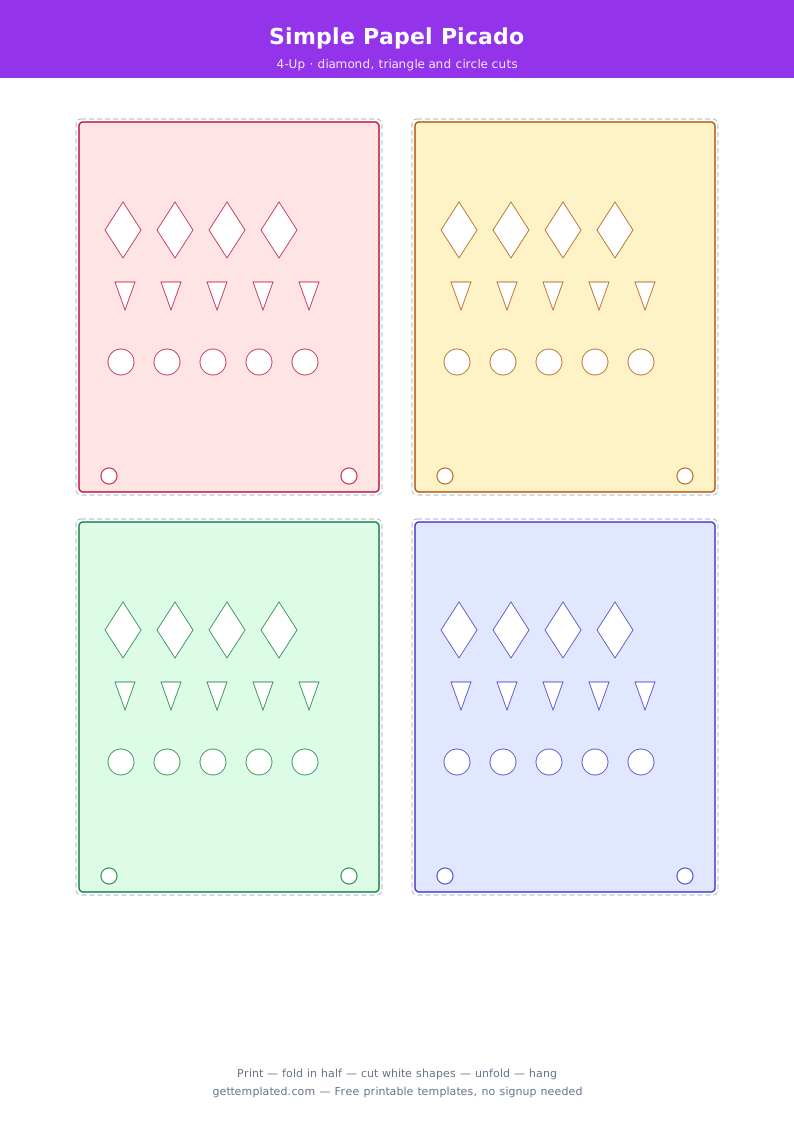
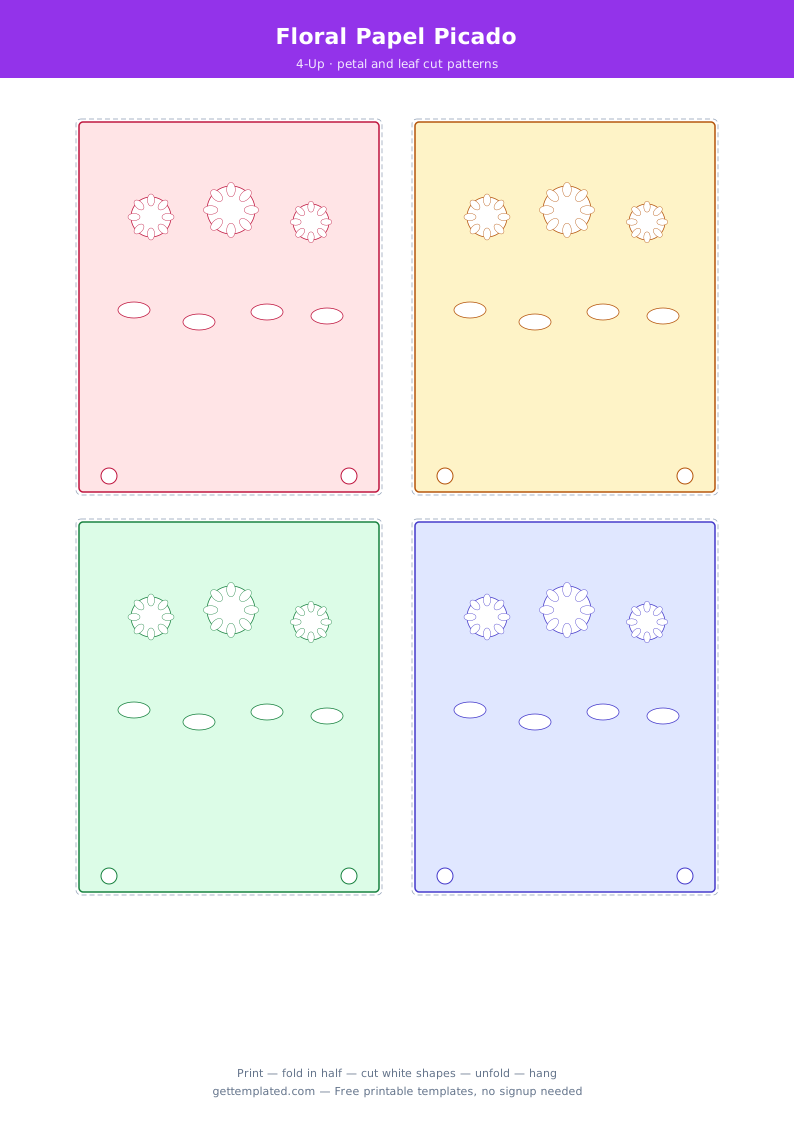
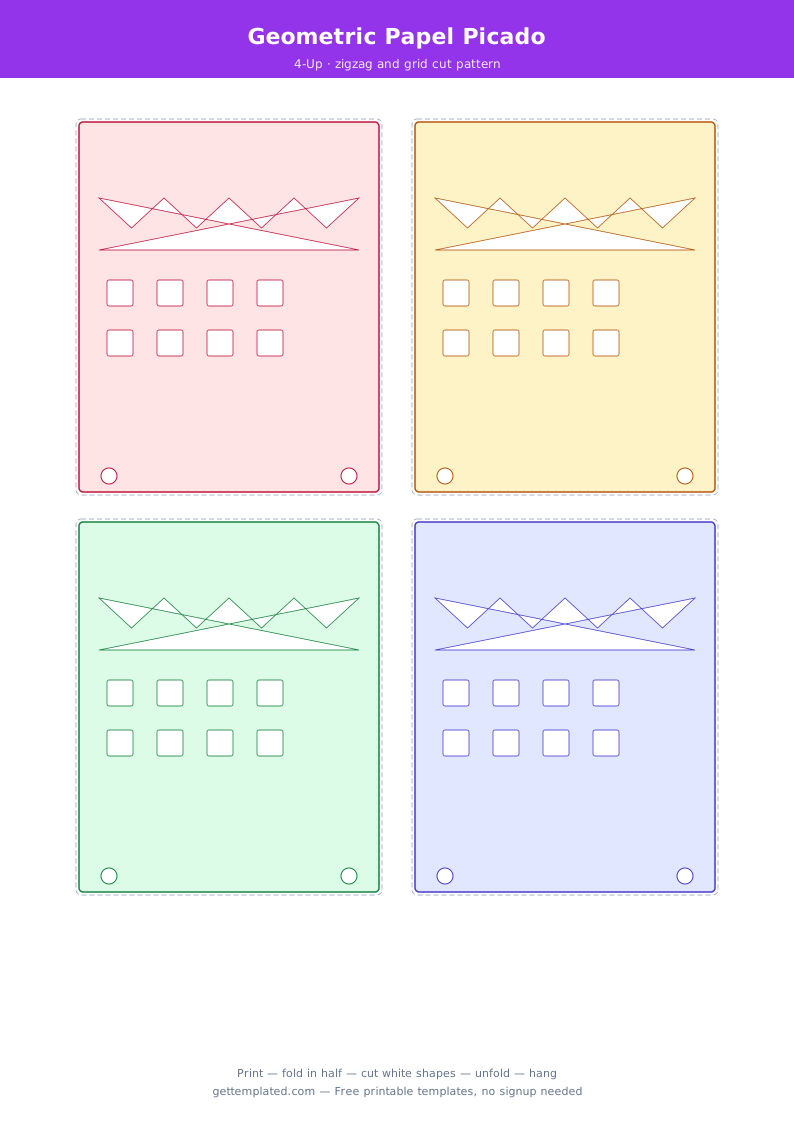
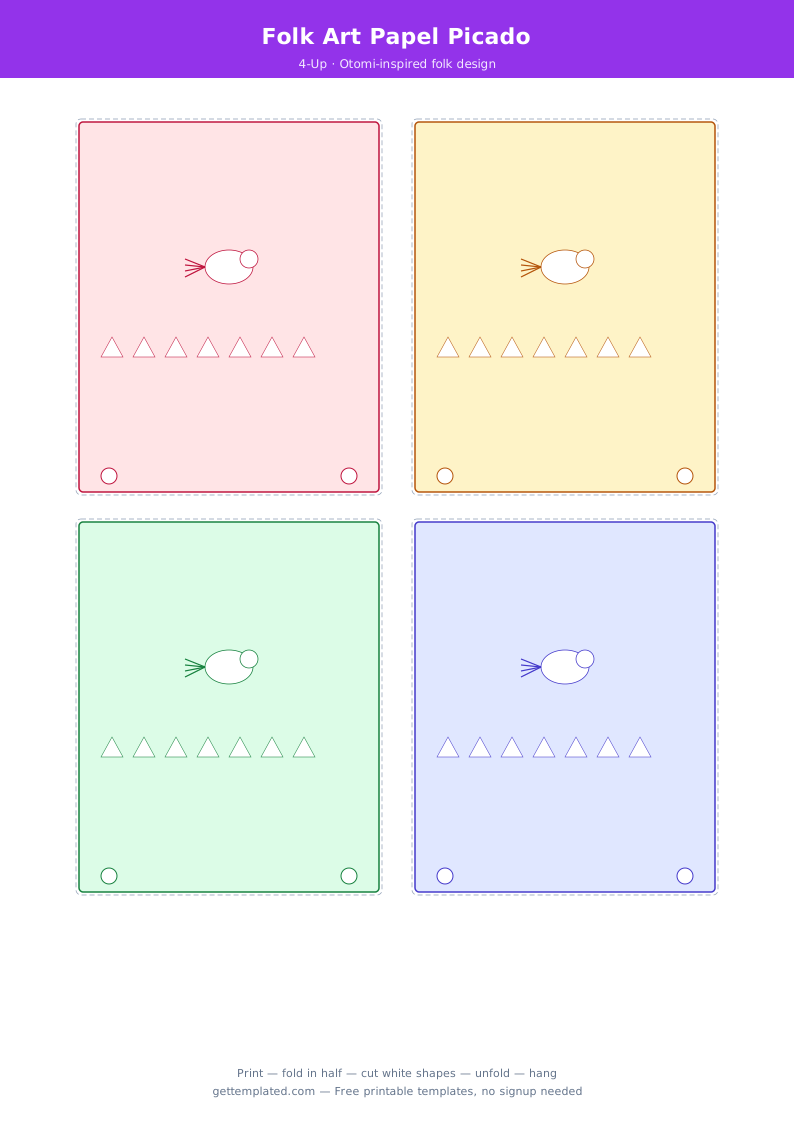
A papel picado template is a perforated paper cut-out used in Mexican folk art and celebrations like Dia de los Muertos. Traditionally cut from tissue paper or metal foil, a printed template gives you the decorative outline to cut with scissors or a craft knife for a consistent pattern. Print, cut the interior designs, and hang on string for an instant banner.
A puzzle piece template provides a clean outline of interlocking puzzle shapes for school activities, collaborative art projects, and motivational displays where each person fills in one piece. Common uses include classroom unity projects, interview icebreakers, and student self-portrait activities.
A cootie catcher template (also called a fortune teller template) is a folded origami-style paper toy with panels that open to reveal messages. It follows a specific fold sequence from a square sheet and is a popular classroom time-filler and party activity.
A chip bag template is a flat printout that folds and seals (with tape or a stapler) into a small foil-style bag shaped like a miniature snack chip bag, popular as a party favor container. Print, cut, fill with candy or small treats, and fold the top closed.
A paper airplane template provides pre-marked fold lines on a standard sheet for one of dozens of paper airplane designs, from simple darts to distance gliders. Great for science fair projects on aerodynamics and classroom STEM activities.
Printable Craft Template Tips and Mistakes to Avoid
Paper crafts are forgiving, but a few common mistakes turn a fun activity into a frustrating one. These tips apply whether you are doing a craft solo, with children, or with a whole classroom.
- Always print a test copy before printing in bulk. If the scale is wrong, you find out on one sheet instead of 30
- Use a cutting mat and craft knife for intricate cut-outs like papel picado patterns. Scissors work for straight lines but leave jagged edges on tight curves and detailed interior cuts
- Pre-score fold lines with a bone folder or the back of a spoon before folding. This is especially important for cardstock, which cracks along fold lines if bent without scoring
- For classroom use, pre-cut the templates to the cut line stage and let students handle folding, gluing, and decorating. This saves time and reduces scissor-related frustration for younger children
- Print in black and white and let participants color the template themselves. Colored printouts use significantly more ink and take longer to print than outline versions. For a class of 20 or more, the ink savings from black-and-white printing are substantial over a school year
- Store spare copies in a labeled folder for reuse. Printable templates are infinitely reproducible, but printing extras at the same time is more efficient than running two separate print jobs. A well-organized template folder also makes it easy to revisit a popular craft activity in a future semester or session
The template