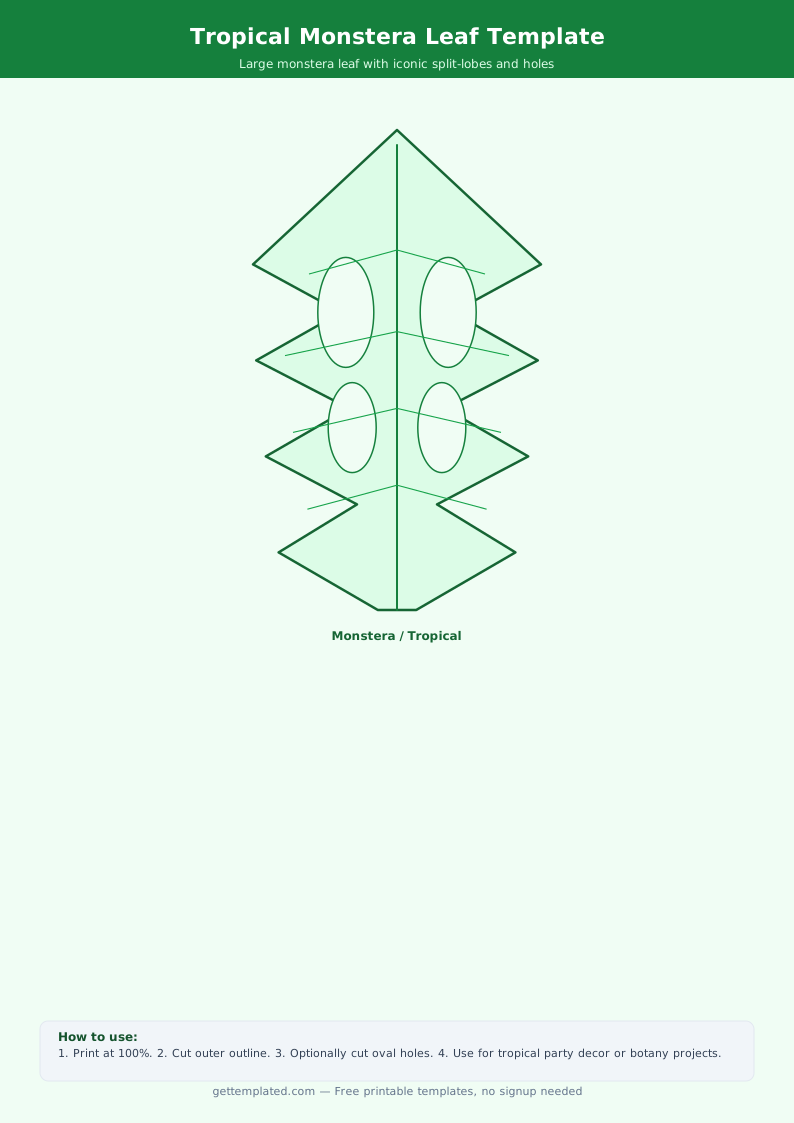
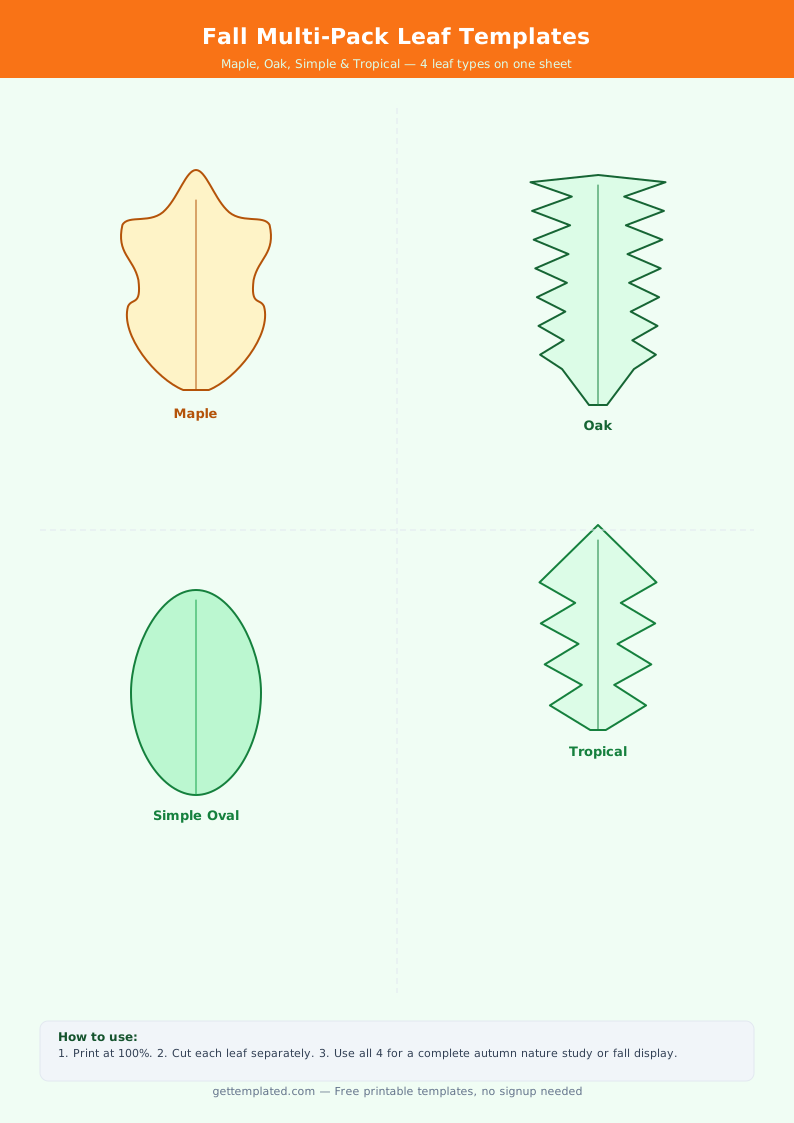
What Is a Leaf Template and What Can You Make With One
A leaf template is a printable leaf outline you use as a cutting guide or tracing shape for crafts and art projects. Like a cookie cutter for paper, it gives you a consistent, symmetrical shape without having to draw a leaf freehand each time. The template works for any material you can cut: paper, cardstock, craft foam, felt, fabric, or even thin wood veneer for more advanced projects.
Leaf templates are especially popular for fall and autumn-themed projects because the shapes evoke the season. A collection of leaf cutouts in red, orange, yellow, and brown paper can become garlands, table scatter, bulletin board art, or wreath accents in a few minutes.
- Fall leaf crafts and seasonal home decorations in autumn colors
- Classroom bulletin board displays for fall, Thanksgiving, and science lessons on plants
- Leaf rubbings (place the template under paper and rub with a crayon to reveal the shape and vein pattern)
- Gift wrap embellishments, greeting cards, and handmade bookmarks
- Nature study and botany activities where students label different leaf shapes and vein patterns
- Felt leaf garlands and fabric applique for quilts, pillows, and sewing projects
- Wreath filler and floral arrangement accents for tablescapes and centerpieces
Types of Leaf Shapes and Which Template to Use
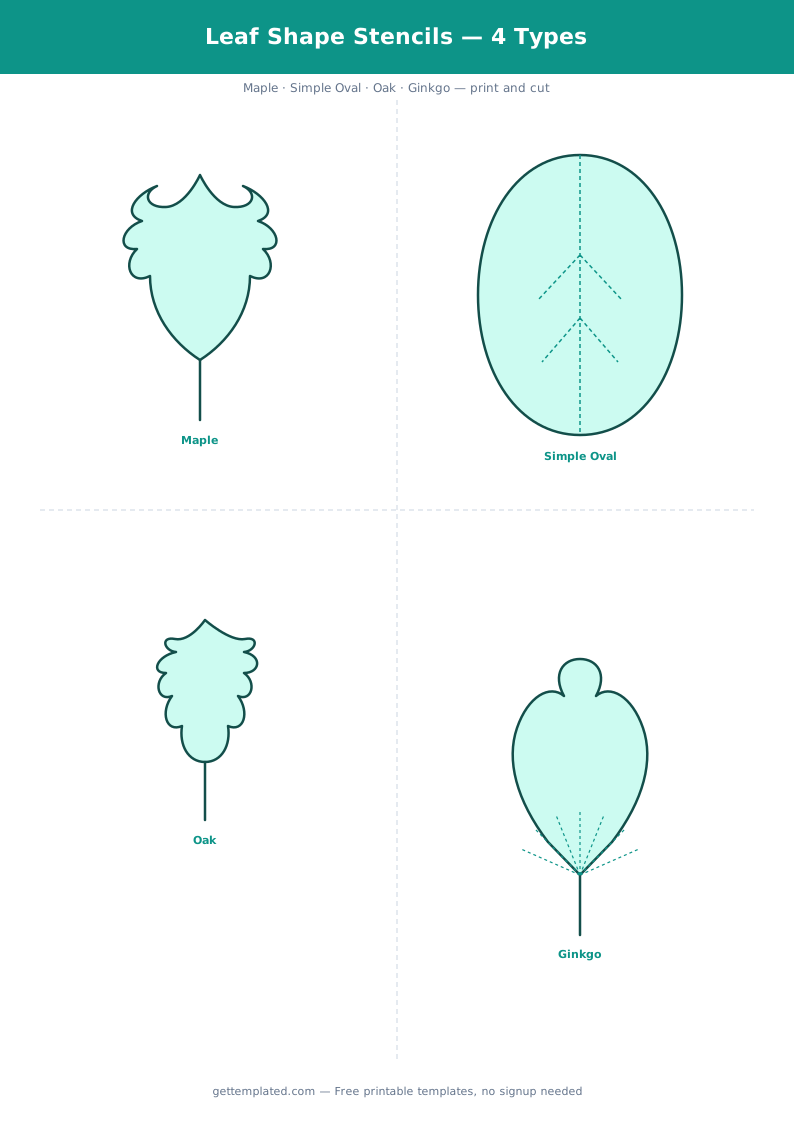
Leaves come in many shapes, and the template you choose should match the type of leaf you are recreating. Here are the most commonly requested leaf shapes and their key features.
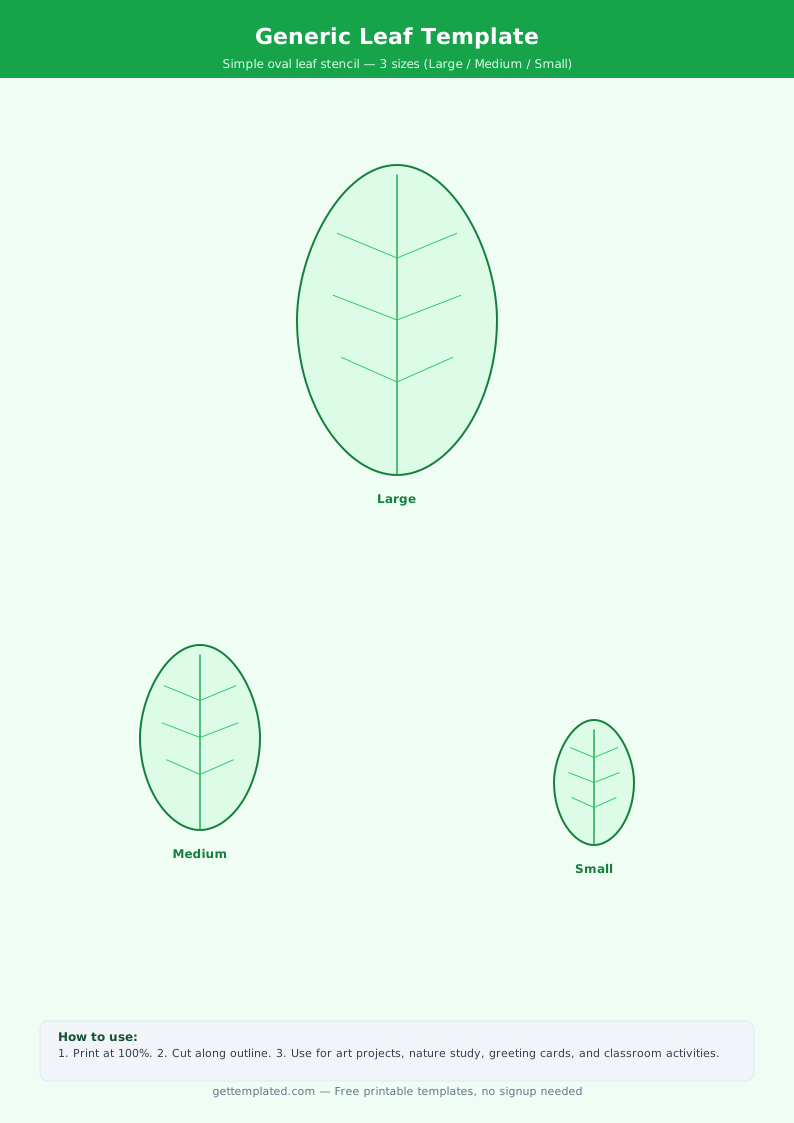
- Simple oval leaf: A smooth elongated oval with a single center vein and branching side veins. Represents most common tree leaves (cherry, birch, elm). The easiest shape to cut for young children
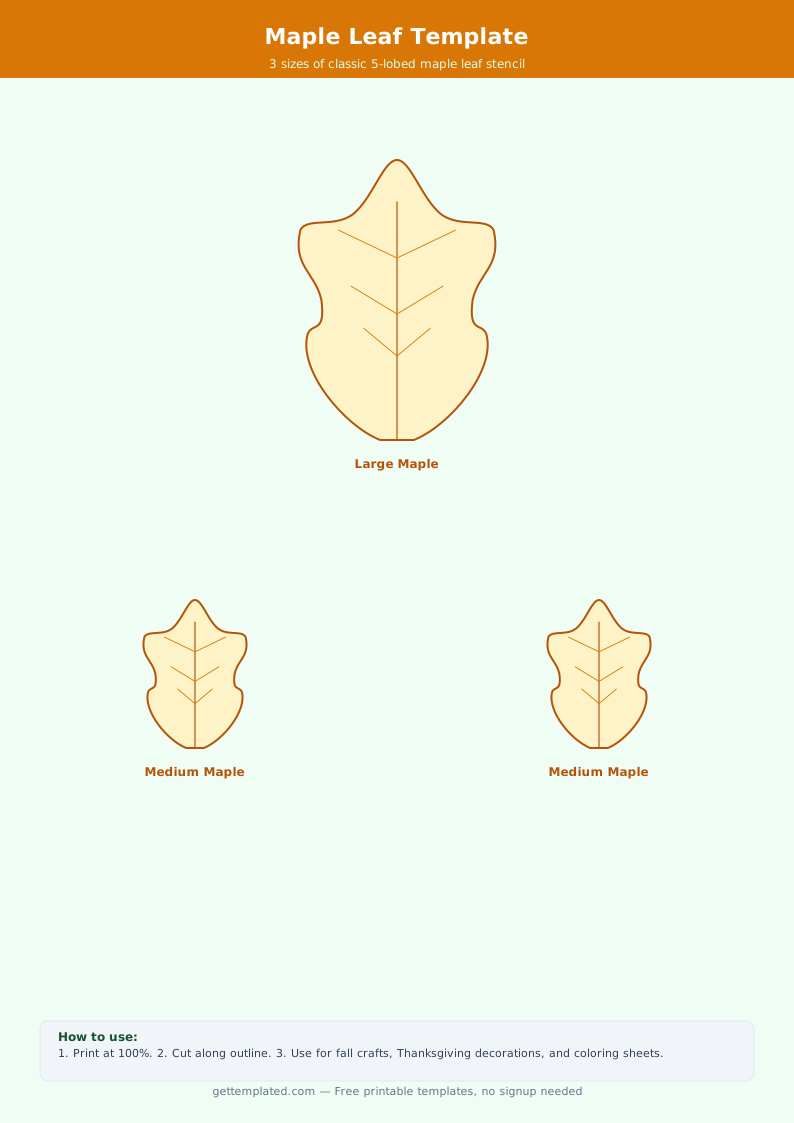
- Fall maple leaf: A lobed shape with pointed tips and deep indentations between the lobes. The most recognizable fall leaf shape, especially in red and orange. Requires more careful cutting around the lobes
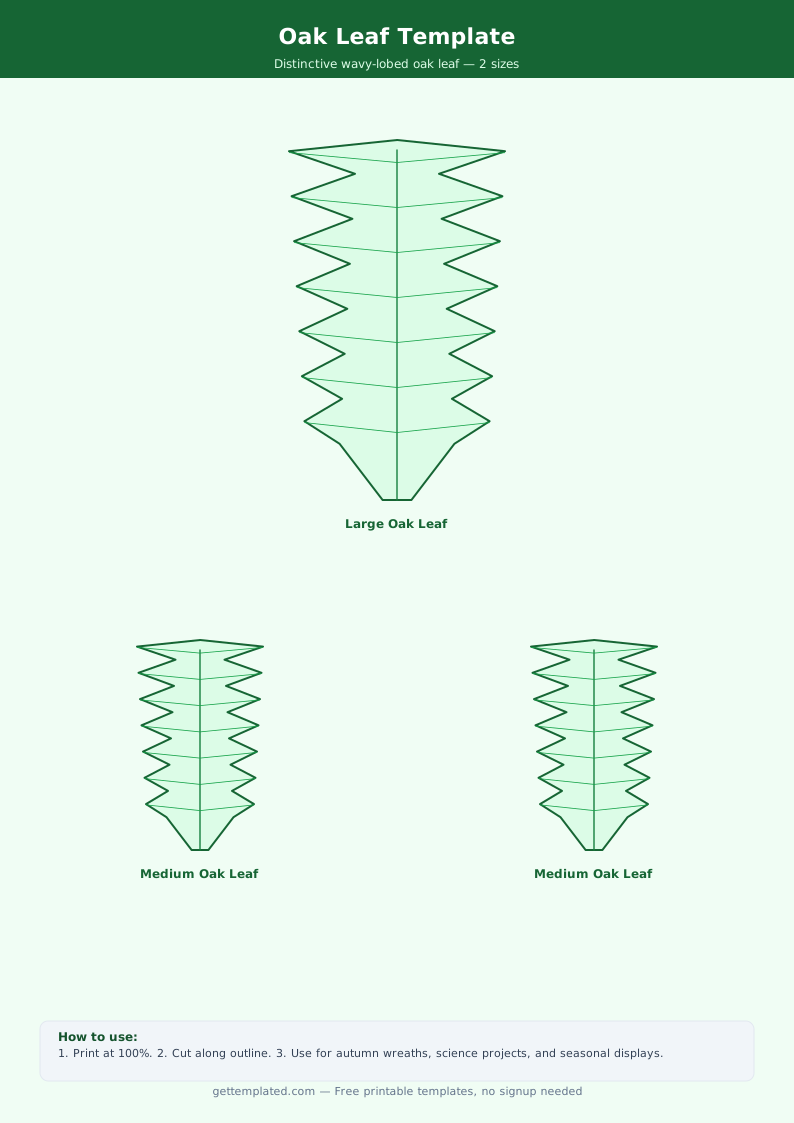
- Oak leaf: Similar to maple but with more rounded, irregular lobes. Characteristically wide in the middle and narrower at the base
- Long narrow leaf: An elongated shape like a willow or eucalyptus leaf. Width is roughly one-quarter of the length. Simple to cut and good for garlands because many fit on a single page
- Five-point star leaf: A deeply lobed leaf with five distinct pointed lobes, like a sweetgum or fig leaf. More complex to cut but visually striking for displays
- Fall leaf template (generic): Any of the above in warm autumn colors (red, orange, yellow, brown). Most fall leaf templates use the maple or oak lobe shape
How to Use a Printable Leaf Template Step by Step
This leaf template is designed to be printed, cut, and used immediately. Follow these steps for the cleanest result.
- Print the leaf template at the desired size. Full-size for large display leaves, 50% to 70% for smaller leaves for garlands or cards
- If you want to use the template repeatedly, laminate it or trace it onto thick cardstock and cut out the cardstock version to use as a reusable tracing guide
- For paper crafts: cut directly along the printed outline with scissors. Hold the paper steady with your other hand and rotate the paper rather than the scissors around tight curves
- For fabric or felt: place the paper template on top of your material and trace around it with tailor's chalk or a light pencil. Cut the traced shape
- To add vein detail: draw or trace the center vein and side veins after cutting the outline, using a marker, paint, or embossing pen. Do not cut along the vein lines
- For fall leaf garlands: punch a small hole at the top of each leaf after cutting, thread twine or ribbon through the holes, and space the leaves evenly along the twine
- For leaf rubbings: place the cut-out template on a hard surface, lay paper over it, and rub the flat side of a crayon across the paper to reveal the shape and texture
Fall Leaf Template Projects for Home and Classroom
Leaf templates are among the most versatile seasonal craft supplies because they work for so many different projects. These are the most popular uses.
Autumn leaf garland: Cut 15 to 20 leaves from red, orange, yellow, and brown cardstock. Punch a hole at the stem end of each leaf and thread them onto a length of twine in alternating colors. Hang across a mantel, window, or classroom wall for an instant fall decoration.
Thankful tree activity: Cut one leaf per student from orange or yellow paper. Each student writes one thing they are thankful for on their leaf, then attaches it to a paper tree trunk drawn on a bulletin board or large sheet of paper. A classic Thanksgiving classroom activity that takes about 10 minutes per class.
Leaf science activity: Print leaf templates representing four or five different tree species. Students label the shape (oval, lobed, palmate, etc.), draw in vein patterns, and compare how real leaves from the schoolyard match the printed shapes. Builds observation and vocabulary skills.
Fall wreath accent: Cut 20 to 30 small leaves (print at 50% scale) from mixed autumn colors. Layer them around a foam or cardboard wreath form, overlapping slightly and gluing as you go. Fills a wreath frame in about 30 minutes.
Tips for Clean, Professional-Looking Leaf Cutouts
The difference between a craft that looks homemade (in a good way) and one that looks rushed usually comes down to cutting quality and material choice. These tips cover both.
- Use sharp scissors and cut slowly around curves: Dull scissors crush the paper edges rather than cutting cleanly, especially on the lobes of fall leaf shapes
- For mass-cutting multiple identical leaves, stack two to three sheets and cut through all layers at once to save time while keeping shapes consistent
- Print on colored paper or cardstock to skip the coloring step: red, orange, and yellow paper ready-made for fall leaf projects
- For lobed leaves (maple, oak), make small relief cuts toward the tips of each lobe before cutting around the whole outline. This prevents the paper from tearing at the tight concave points between lobes
- Cardstock (65 to 80 lb) holds its shape better than printer paper and does not curl or wrinkle when glued to a project
- For very small leaves (under 2 inches), use a craft knife and cutting mat instead of scissors for precision
The template