What Is a Body Template?
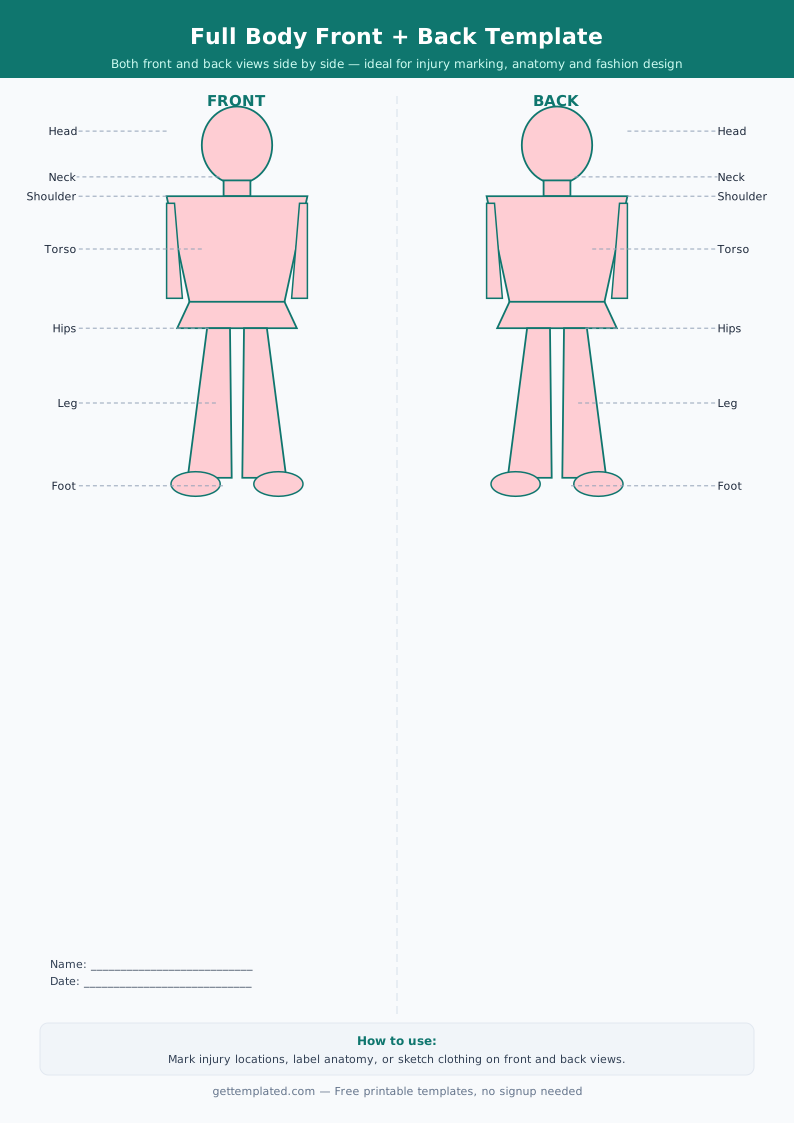
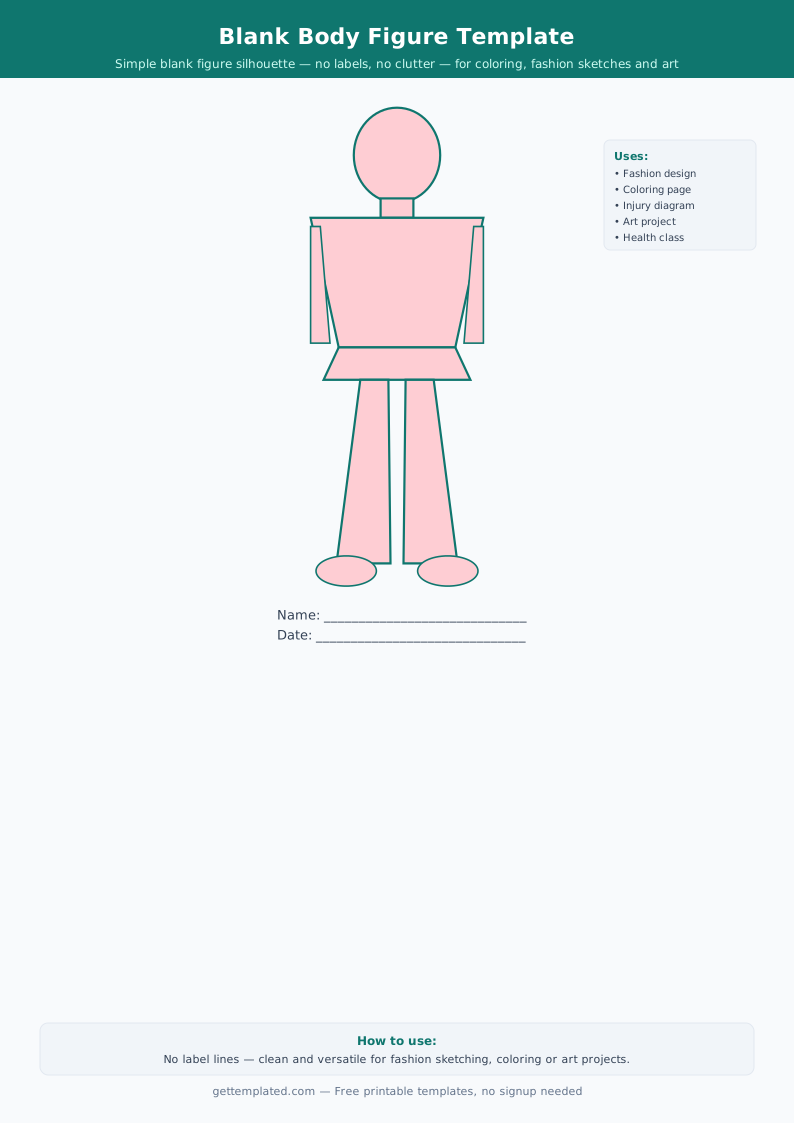
A body template is a blank or lightly outlined drawing of the human body used as a starting point for art, craft, educational, and design projects. The outline captures the basic silhouette and proportions of a standing human figure without detailed features, so the person using it can add their own details, labels, colors, or clothing.
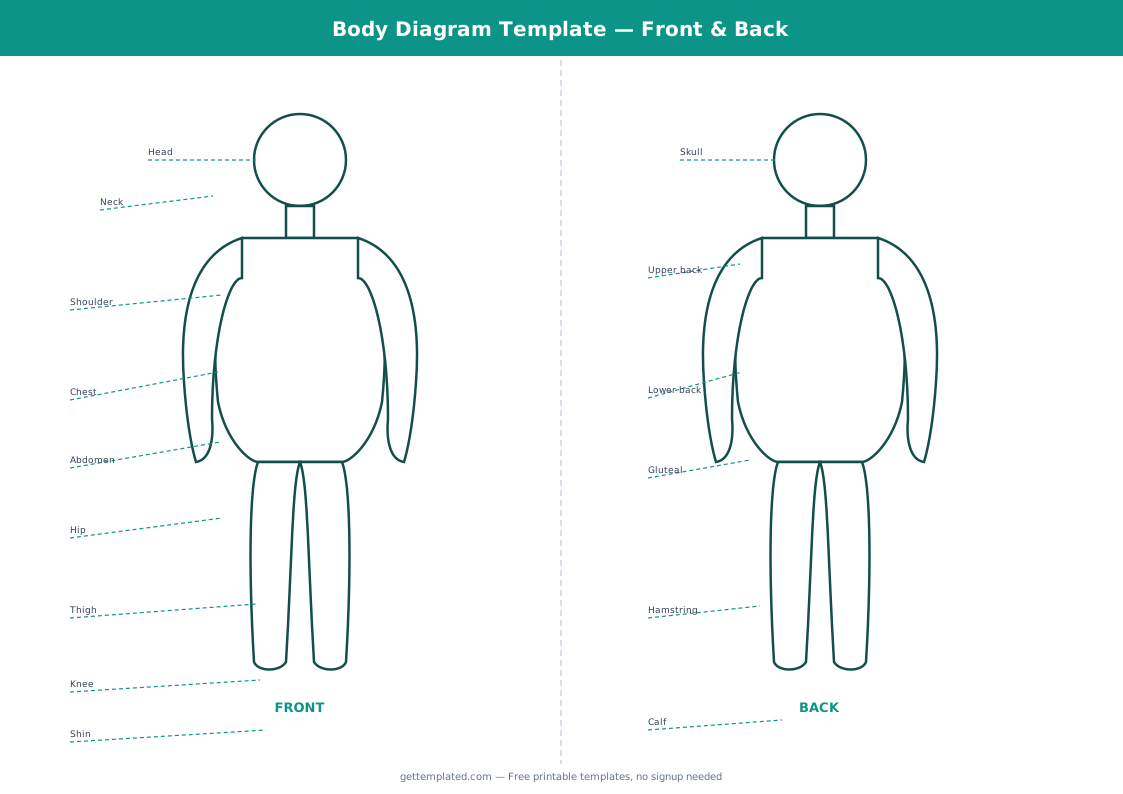
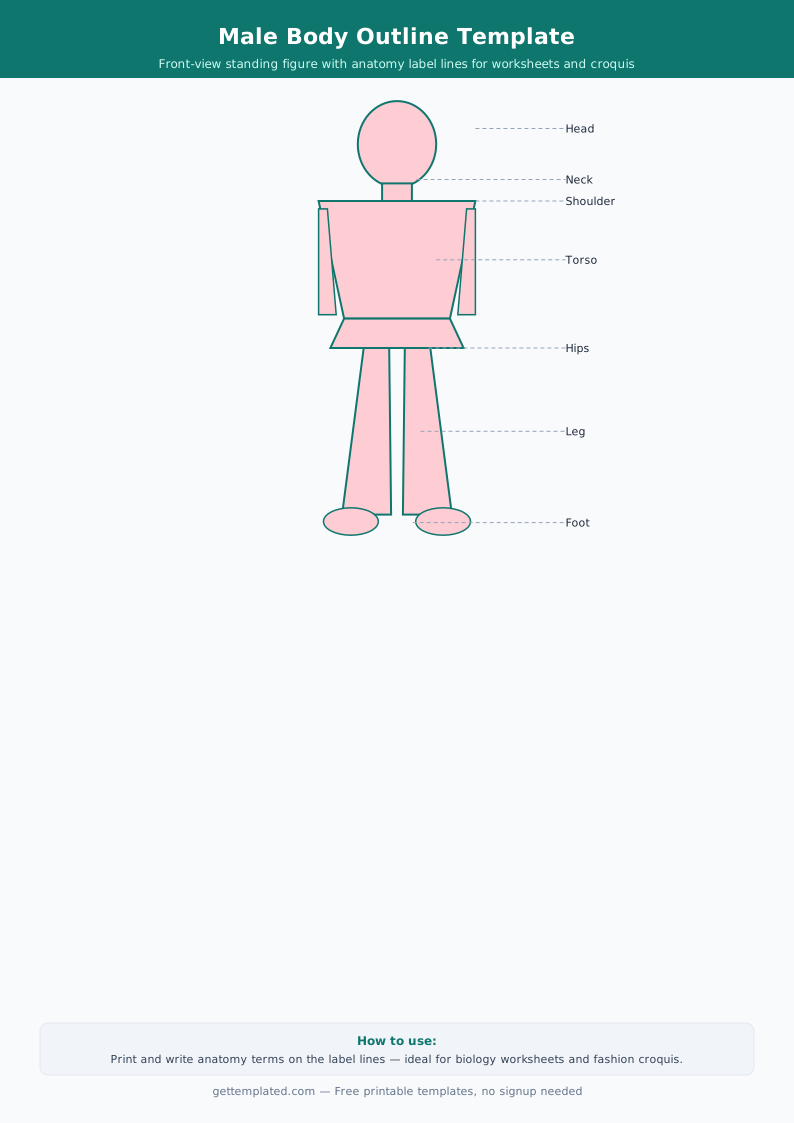
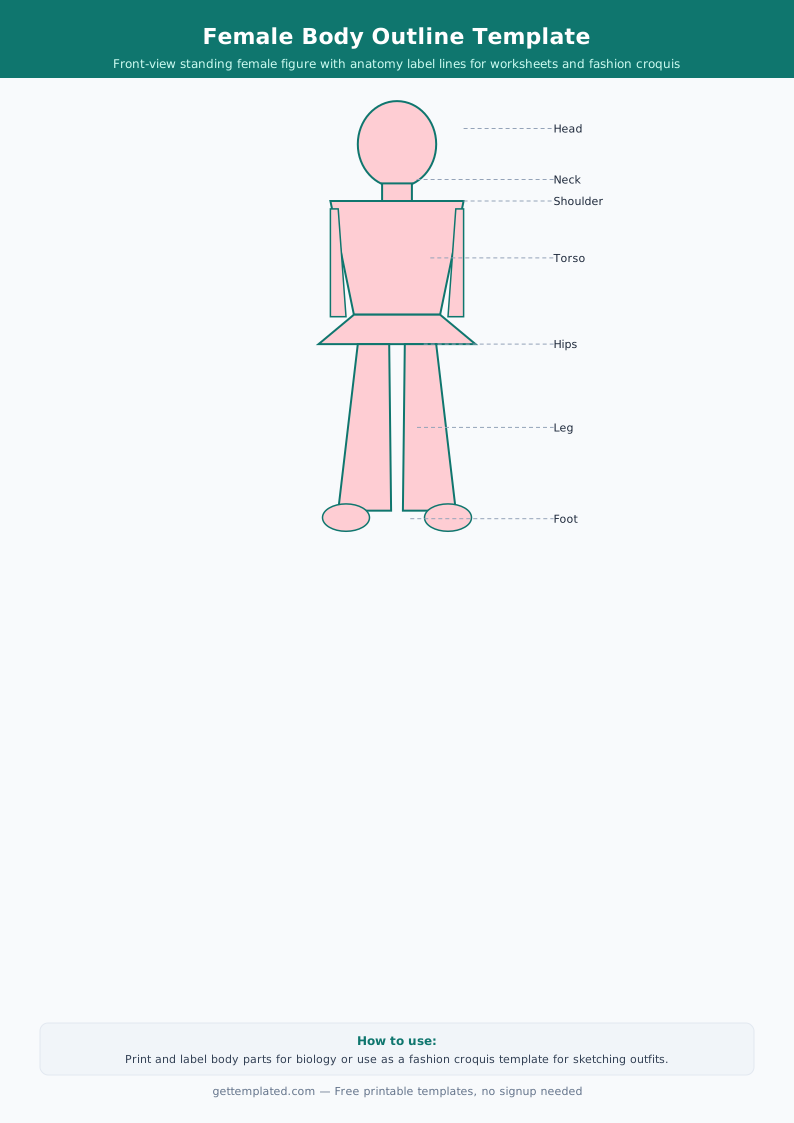
Body templates come in several forms depending on the purpose. A simple body outline template for classroom use shows a generic front-facing figure with label lines for anatomy lessons. A more detailed body template for fashion design includes proportional guidelines for sketching clothing accurately. A craft-focused version like an elf body template has the distinctive pointed hat, collar, and curled-toe shoes already built into the silhouette.
- Anatomy worksheets: students label body parts using a blank outline
- Art projects: figure drawing practice or character design starting point
- Clothing design: sketch outfits on a proportional body form
- Classroom crafts: color, cut out, and decorate the figure
- Elf body template: special version for Christmas crafts and Elf on the Shelf photos
- Paper doll creation: print body outline and draw interchangeable clothing sets
Types of Body Outline Templates
Not all body templates serve the same purpose, and choosing the right variation saves time. Here are the most commonly searched types and when to use each one.
A front-facing full body outline is the most versatile. It shows the complete figure from head to toe, facing forward, with arms slightly away from the sides. This is the standard version for anatomy labeling, clothing design, and general craft use.
A side-profile body outline shows the figure from the side, useful for showing posture, uniform details, or book character silhouettes. An elf body template is a front-facing figure with elf costume details built in, including the pointed hat, festive jacket with collar, belt, and curled-toe shoes. Teachers use it for holiday bulletin boards and crafts.
- Full body front outline: the standard template for most classroom and art uses
- Side-profile outline: useful for posture diagrams, costume side views, or storybook characters
- Elf body template: includes costume elements for Christmas activities and Elf on the Shelf
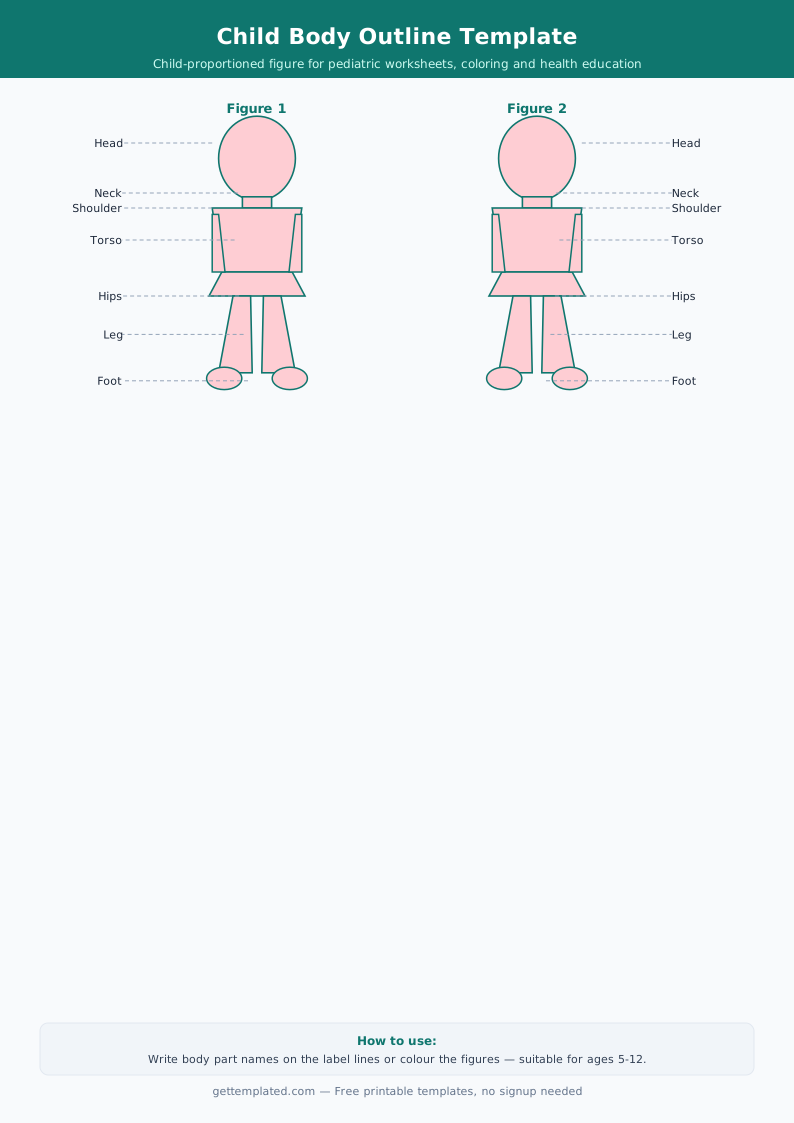
- Child body outline: smaller proportions, larger head-to-body ratio, used for pediatric or elementary content
- Fashion croquis: elongated proportions (8-10 heads tall) specifically for clothing design sketches
- Muscle-system overlay: body outline with major muscle group labels pre-printed for science classes
How to Use a Printable Body Template
The body outline template above is a text-based guide you can copy into any word processor and format as a worksheet. For a cleaner printable version, the following steps walk you through creating or using a body template in Google Docs or Word.
- Download or copy the body outline: use the template structure above or find a pre-drawn SVG/PNG body outline to insert as an image
- Open Google Docs or Word and insert the image or paste the text template into a table-based layout
- Set the page to portrait orientation and scale the outline to fill most of the page vertically
- Add label lines by inserting a text box or using the drawing tool to add horizontal lines pointing to body parts
- For an anatomy worksheet, type the body part names in a box at the bottom and have students draw lines to the correct locations
- For a craft project, print on cardstock, cut out the figure, and let students color or add clothing details
- For an elf body template, add pointed hat and collar shapes above and below the basic outline before printing
Body Template for Classroom Anatomy Lessons
Elementary and middle school teachers frequently use blank body outline templates for science and health lessons. A printable body template lets students physically engage with the material by labeling, coloring, or drawing on the figure rather than just reading a textbook diagram.
For a basic anatomy worksheet, print the full body outline and provide a word bank at the bottom of the page with terms like head, neck, shoulder, elbow, wrist, chest, hip, knee, ankle, and foot. Students draw arrows from each label to the correct body part. For older students, the same template works for more detailed labels like joints (carpals, patella, femur) or major muscle groups (bicep, quadricep, deltoid).
- K-2: label major body parts (head, arms, legs, hands, feet)
- Grades 3-5: add joints (knee, elbow, wrist, ankle, hip, shoulder)
- Grades 6-8: label major muscle groups or bones using the same outline
- Health class: use the outline to mark safety zones or discuss personal space
- Art class: practice proportion and figure drawing using the outline as a guide
Elf Body Template for Holiday Crafts
An elf body template is a specialized version of the standard body outline that includes elf costume details. The silhouette typically shows a figure wearing a pointed hat, a belted jacket with a pointed collar, striped stockings, and curled-toe shoes. Some versions include decorative details like bells on the hat or zigzag trim on the jacket hem.
The elf body template is popular for school bulletin boards, holiday craft stations, and Elf on the Shelf photography props. Teachers print a class set, let each student color their elf with a unique outfit, and display them on a classroom door or wall. Parents use the template to make photo props where the child's face appears through a cutout in the elf body.
- Classroom bulletin boards: each student colors their own elf with a unique design
- Elf on the Shelf photography prop: cut out the figure, leave a face hole, photograph child
- Holiday greeting cards: use the outline to design a custom elf character
- Gift tags: scale down the template, write recipient names on the elf's coat
- Ornament crafts: print on cardstock, color, laminate, and hang on the tree
The template